Disclaimer: This website provides health information for educational purposes only and is not a substitute for professional medical advice, diagnosis, or treatment. Always seek the guidance of a qualified healthcare provider with any questions you may have.
This article highlights the essential contributions of home care service professionals who support the well-being of the elderly and those with chronic health conditions. They provide tailored care, fostering independence and dignity. With an aging population, the demand for these services emphasizes their significance.
The Scope of Duties for Home Care Service Professionals
Personal Care Tasks
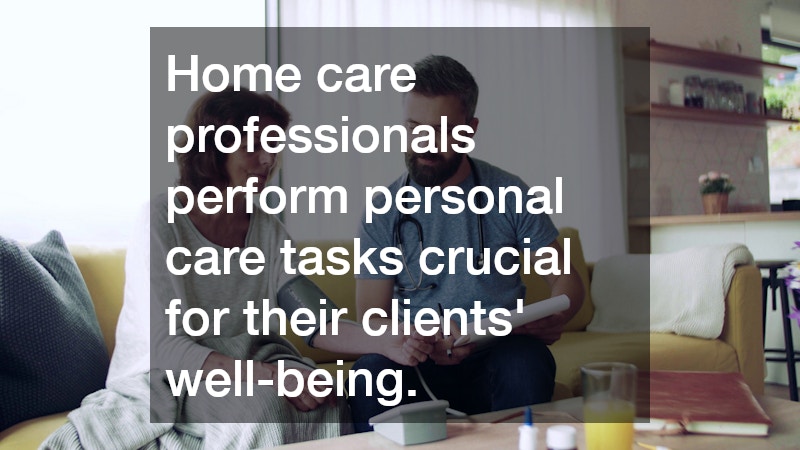
Home care professionals perform personal care tasks crucial for their clients’ well-being. These tasks include bathing, dressing, grooming, and maintaining personal hygiene, allowing individuals to maintain their health with dignity. Care is provided sensitively, fostering trust-based relationships essential for emotional and physical comfort.
Medical Assistance
They offer basic medical assistance like monitoring vital signs, managing medications, and assisting with mobility exercises, ensuring adherence to treatment plans. They act as an extra set of eyes for healthcare providers, reducing hospital readmissions and promoting continuity of care.
Companionship and Emotional Support
Providing companionship, they combat loneliness and isolation, improving mental and physical health through conversations and activities that enhance clients’ quality of life and emotional resilience.
Household Management
They manage household tasks such as meal preparation, cleaning, laundry, and shopping, reducing stress and physical demands on clients. This creates a safe, organized environment, reducing hazards and promoting stability.
Coordination with Healthcare Providers
Effective coordination with healthcare providers ensures adherence to prescribed treatments and appointments, preventing complications and optimizing health outcomes through comprehensive, consistent care.
Impact on Patient Well-being
Improving Quality of Life
Home care professionals enhance clients’ quality of life by meeting physical and emotional needs, allowing them to remain at home with familiar routines, thus improving comfort and happiness.
Facilitating Independence
They promote independence, enabling clients to manage daily tasks and maintain autonomy, which is psychologically beneficial and boosts self-esteem and satisfaction.
Providing Personalized Care
Care is personalized to adapt to clients’ changing health status and preferences, enhancing effectiveness and satisfaction by addressing physical, emotional, and psychological needs.
Reducing Hospital Readmissions
Consistent care and surveillance by home care professionals reduces hospital readmissions through early intervention and prompt communication with healthcare providers.
Supporting Mental Health
By offering companionship and emotional support, they significantly impact clients’ mental health, reducing isolation and depression, and fostering holistic well-being.
Qualifications and Training Required
Certification Programs
Certification programs equip individuals with foundational knowledge for providing basic care and support. Some offer specializations like geriatrics, with ongoing education updating care techniques and regulations.
Ongoing Professional Development
Continuous development is vital, keeping professionals informed about healthcare advancements and improving skills to enhance client care and industry growth.
Specialized Skills in Geriatrics
Understanding aging-related challenges and health conditions enables effective care for elderly clients, crucial given the growing demand for geriatric support.
First Aid and CPR Techniques
Proficiency in first aid and CPR is essential for emergency response, ensuring client safety and demonstrating comprehensive care commitment.
Communication and Interpersonal Skills
Effective communication and interpersonal skills foster trust, enhance care quality, and enable successful navigation of complex situations.
Challenges Faced by Home Care Service Professionals
Managing Diverse Client Needs
Professionals must flexibly provide individualized care for unique client needs, requiring observation skills and adaptable approaches.
Emotional and Physical Demands
The demanding nature of their work can cause burnout; support systems are crucial for caregiver well-being and sustained high-quality care.
Resource Limitations
Time, staffing, and equipment constraints challenge care delivery; resourcefulness and advocacy for better support are necessary for optimal care.
Navigating Healthcare Systems
Efficient coordination with healthcare services is key despite complex bureaucratic procedures, essential for seamless care transitions.
Balancing Work-Life Responsibilities
Long hours can impact personal life; maintaining work-life balance is vital to prevent burnout, with support from employers and policymakers.
Supporting Home Care Service Professionals
Recognizing Their Contributions
Acknowledging their integral contributions boosts morale and emphasizes their essential role, encouraging future professionals.
Ensuring Fair Compensation
Fair pay attracts and retains skilled workers, addressing financial stability and job satisfaction, which is crucial for reducing turnover and maintaining care continuity.
Providing Access to Resources
Access to necessary tools and training enhances care quality and outcomes, acknowledging their central healthcare role.
Advocating for Policy Changes
Policy advocacy addresses compensation, training, and support, improving working conditions and care delivery standards.
Encouraging Community Programs
Community support connects caregivers with resources, providing respite, mental health support, and development opportunities, enriching clients’ lives.
Recognizing the vital role of home care professionals supports a more inclusive healthcare system. Their services support independence and well-being, making them indispensable. Addressing their challenges fosters systemic improvements, with continued investment and recognition ensuring a healthier future for all.