
Disclaimer: This website provides health information for educational purposes only and is not a substitute for professional medical advice, diagnosis, or treatment. Always seek the guidance of a qualified healthcare provider with any questions you may have.
Phlebotomy is a vital skill in the healthcare sector, particularly for those who wish to embark on a career in medical services. As a phlebotomist, you will perform blood draws and assist in laboratory processes essential for diagnosing and treating patients. If you are considering a career in this field, you might be wondering how to find and start phlebotomy programs. In this blog post, we will explore various avenues to discover reputable phlebotomy programs and the steps you need to follow to begin your training.
Understanding the Role of a Phlebotomist
Before diving into finding phlebotomy programs, it is essential to understand what a phlebotomist does. Phlebotomists are responsible for collecting blood samples from patients for testing, transfusions, or research. This role requires not only technical skills but also interpersonal skills, as you will be dealing with patients who may feel anxious about blood draws. Moreover, you will need to be knowledgeable about various types of blood collection methods and the requirements for different laboratory tests. Understanding the responsibilities and necessary skills will help you appreciate the importance of finding a suitable training program to prepare you for this career.
Researching Accredited Programs
The first step to finding phlebotomy programs is to research accredited institutions. Accreditation ensures that the program meets specific educational standards. You can start your search by looking at local community colleges, vocational schools, and online platforms offering training. Websites such as the National Accrediting Agency for Clinical Laboratory Sciences (NAACLS) can help you find accredited programs in your area. When searching, consider factors such as the program’s duration, cost, and student reviews to gauge its effectiveness and reputation in the field.
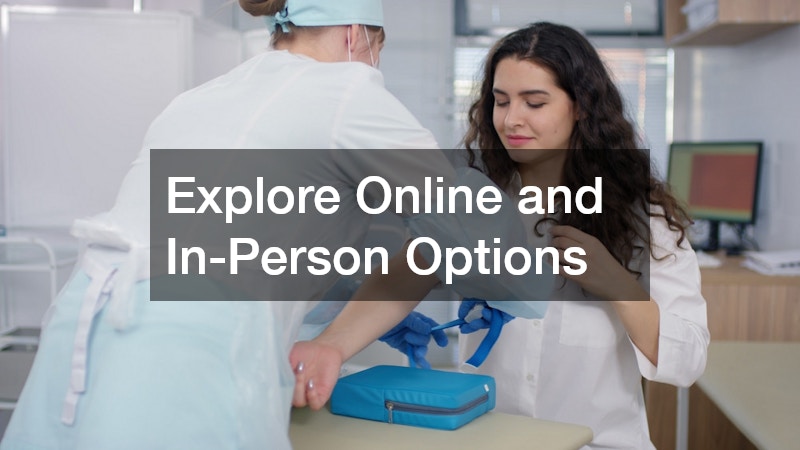
Exploring Online and In-Person Options
In today’s digital age, you have the option to pursue both online and in-person phlebotomy programs. Online programs offer flexibility and the ability to study at your own pace, which is ideal for those managing work or family commitments. However, keep in mind that while theoretical knowledge can be gained online, you will need to complete hands-on training and certification. Many online programs partner with local clinics or laboratories for this purpose. On the other hand, in-person programs provide a more immersive experience, allowing you to work directly with instructors and fellow students, which can enhance your learning process.
Checking Certification Requirements
Once you identify potential phlebotomy programs, it is crucial to check the certification requirements in your state or country. Certification demonstrates to employers that you have completed the necessary training and possess the skills required for the job. Organizations like the American Society of Phlebotomy Technicians (ASPT) or the National Phlebotomy Association (NPA) offer certification exams that you can take after completing your training. Verify that your chosen program prepares you effectively for these certifications, as this will greatly enhance your employability after graduation.
Networking and Gaining Experience
Networking can play a significant role in your journey to becoming a phlebotomist. Engaging with professionals in the field can provide valuable insights and potential job leads after completing your training. Consider joining local health clubs or professional organizations related to phlebotomy and healthcare. Additionally, seeking internships or volunteer opportunities at hospitals or clinics while studying can grant you hands-on experience and enhance your resume. Not only does this experience bolster your skills, but it also demonstrates commitment and passion to prospective employers, setting you apart from other candidates.
Embarking on a career as a phlebotomist can be rewarding and offers numerous opportunities in the healthcare field. By understanding the role, researching accredited programs, exploring both online and in-person options, checking certification requirements, and networking, you can successfully navigate your path to becoming a certified phlebotomist. Remember, the journey starts with the right education and training, so take the time to find a program that fits your needs.